Should I Buy a House With Woodworm? Answers for Buyers and Sellers
Seeing “woodworm” on a survey can make anyone panic. Buyers worry they are about to inherit a structural nightmare. Sellers worry the deal is dead. Estate agents get stuck in the middle, trying to keep a chain together while everyone imagines the worst.
Here is the truth. Woodworm is often treatable, and many homes have old exit holes that are no longer active, and active cases are usually treatable. The smart move is to book a specialist woodworm house survey quickly so you know if it’s active, how widespread it is, and what it will cost to put right.
If you are asking, “should i buy a house with woodworm?”, the answer is usually: “possibly, yes” but only after you know what you are dealing with.
What “woodworm” actually means (and why it gets misunderstood)
Woodworm is not a worm. It is the larval stage of wood boring beetles that live inside timber. The beetle exits later, leaving small holes behind. Those holes might be brand new, or they might be decades old.
That is why a basic visual check is not enough. Two houses can look the same on the surface, but one has a historic issue and the other has active infestation and moisture feeding it.
So if you are asking “should I buy a house with woodworm?”, do not rely on assumptions or a general survey note. Book a specialist woodworm house survey to get a clear yes or no on whether it is active, where it is, and what needs doing to fix it.
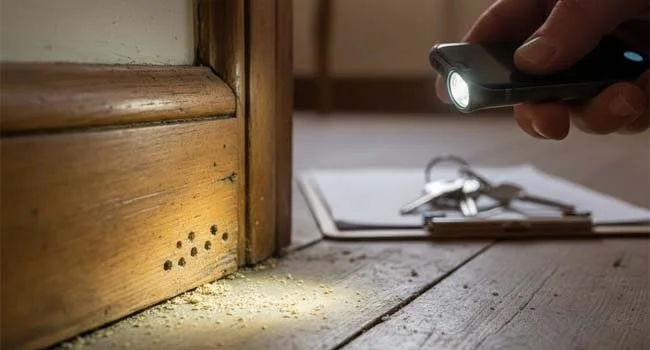
Woodworm signs buyers and agents can spot early
You do not need to be a specialist pest controller to notice the common red flags of woodworm. During a viewing or pre-sale tidy-up, watch for these woodworm signs:
Small, round exit holes in beams, joists, floorboards, skirting, or loft timbers
Fine, dust like powder beneath holes (often called frass)
Crumbly timber edges on skirting boards, stair treads, or floorboards
Spongy flooring that feels weak underfoot
Beetles appearing near windows in warmer months
Loft spaces that feel damp, poorly ventilated, or have signs of leaks
These woodworm signs help you decide whether to investigate further. They do not confirm whether the problem is active. That is where a proper pest control inspection matters.
Is woodworm a deal breaker?
Sometimes it is. Often it is not.
A sensible way to think about it is in three bands:
1) Historic holes, no activity
This is common in older homes. A specialist pest controller may confirm it is old and inactive, and no woodworm treatment is needed. You might still want advice on ventilation and moisture, to reduce future risk.
2) Active but localised
This is where prompt action helps. A targeted plan and professional woodworm treatment can protect the affected area and reduce the chance of spread, especially if the underlying damp issue is addressed.
3) Widespread damage or high risk timbers
If major structural timbers are affected, or there are serious moisture problems, the scope of work can increase. This is when buyers may renegotiate, and sellers may need to complete work before exchange.
The problem is not the word “woodworm”. The problem is uncertainty. That is why the right pest control survey keeps house selling deals alive.
What a woodworm house survey should include
A standard homebuyer report may flag concerns, but it often cannot confirm activity, species, extent, or cause. That is why a specialist woodworm pest control survey is so useful.
A good woodworm house survey should include:
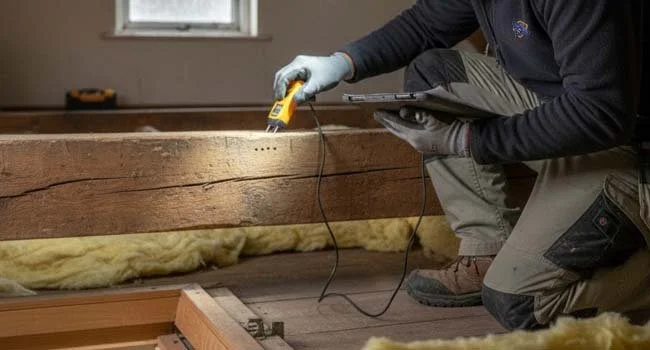
Inspection of accessible timber areas, including lofts and under floor voids where possible
Signs of activity vs historic exit holes
Moisture checks and notes on ventilation, leaks, or damp that may be driving the issue
Clear findings
A practical plan: do you need treatment, where, and why
If needed, a written report that helps with mortgage queries and buyer reassurance
If you are an estate agent, the fastest way to reduce fall through risk is to recommend a woodworm pest control survey as soon as woodworm is mentioned. Speed matters in property chains.
How woodworm treatment works (and what it does not do)
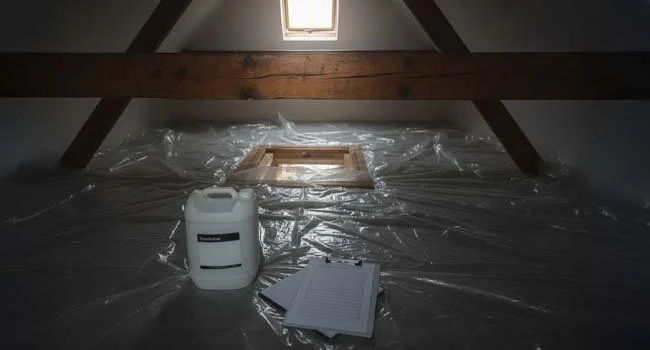
Professional woodworm treatment is designed to deal with the larvae inside the timber and provide residual protection. It is not a magic spray that fixes the conditions that caused the problem.
That is why the best results come from a two part approach:
Treat the timber properly. A specialist pest controller applies the right product, at the right strength, to the right areas, with prep to protect surrounding surfaces.
Fix the reasons woodworm liked the timber. Wood boring insects tend to prefer timber that is damp or poorly ventilated. Improving airflow, dealing with leaks, and resolving damp can be as important as the woodworm treatment itself.
Buyers often ask if they can stay in the house during treatment. In many cases, yes, with sensible precautions, ventilation, and keeping people and pets out of treated areas until surfaces are dry.
If you are buying: how to make a calm decision
If you have found woodworm signs, here is a simple process that keeps you in control:
Do not assume it is active
Arrange a specialist inspection quickly
Ask for a clear summary: active or historic, localised or widespread
Get a fixed quote if treatment is needed
Use the findings to negotiate fairly, rather than walking away on fear
Many buyers lose good houses because they hear the word woodworm and picture the worst. A proper pest control survey replaces guesswork with facts.
And if you are still asking, “should I buy a house with woodworm?”, remember this: you are not buying a problem, you are buying a property. Your job is to understand the size of the issue and the cost to put it right.
If you are selling: how to stop woodworm killing the deal
Sellers often wait until the buyer’s survey raises it, then scramble. A better approach is to get ahead of it.
If you know there is suspicion, book a pest control survey before listing your house
If you see woodworm signs, do not ignore them and hope
Provide the report to the buyer, so they do not fill the gap with worry
If work is needed, offer to complete it or agree a fair reduction
Clarity is reassuring. It is also persuasive.
For estate agents: how to keep transactions moving
This is where you can add real value. When buyers feel uncertain, they delay. When lenders feel uncertain, they ask more questions. The simple fix is a specialist report, fast.
Here is a practical estate agent script you can use:
“Woodworm is common in older homes. The key question is whether it’s active and what caused it. The quickest way to confirm that is a specialist woodworm house survey, so you get a clear answer and a quote if anything needs doing.”
A few ways to build this into your process:
Add a line to your viewing checklist for visible timber and loft access
Keep trusted specialists, like Beeyond Pest Control on hand for quick inspections
Encourage sellers to be proactive if woodworm is suspected
Share reports early, so buyers do not spiral
Remind buyers that treatment can be straightforward when caught early
If you work with a reliable local team, you reduce fall through risk and you look like the agent who keeps things calm and professional.
Quick FAQ buyers always ask
Can I get a mortgage on a house with woodworm? Often yes, but lenders may want reassurance. A specialist survey report helps.
Do holes always mean active woodworm? No. Old exit holes are common. Activity needs confirming.
Is DIY woodworm treatment spray enough? DIY products can miss hidden timbers and do not include moisture assessment. A professional approach is usually safer and more effective.
Final thought
So, “should I buy a house with woodworm?” You can, as long as you understand whether it is active, how extensive it is, and what it will cost to fix properly.
If you are seeing woodworm signs, the smart move is to act early. A specialist woodworm house survey gives buyers confidence, helps sellers protect value, and helps estate agents keep deals moving. If woodworm treatment is needed, it is far better to know that upfront than to find out at the worst moment in the chain.
If you are an estate agent and you want a reliable local team to support your buyers and sellers with surveys and clear reports, Beeyond Pest Control can help.