
Bee Nest Removal
Do you have a bee nest on your property? Bees are vital for gardens and crops, but a bee nest in your loft, chimney or wall can feel very different when you are the one living with it. Stings are painful, some people are allergic, and constant buzzing near your family or customers quickly becomes stressful.
At Beeyond Pest Control, we provide safe, humane live bee nest and honeybee colony removal across Essex and the Eastern Counties. As a fully trained father-and-son team of pest control technicians, we specialize in live bee removal and relocation. Wherever possible, we safely relocate honeybees and bumblebees rather than destroy them—keeping your property protected while letting bees continue their vital work somewhere safer.
We handle bee nests, honeybee colonies, and swarms in lofts, chimneys, wall cavities, roofs, and gardens throughout Essex.
Chelmsford
Colchester
Braintree
Southend-on-Sea
...and surrounding areas
Call 0800 246 5224 to book Live bee nest removal in Essex or send us a photo for fast advice.
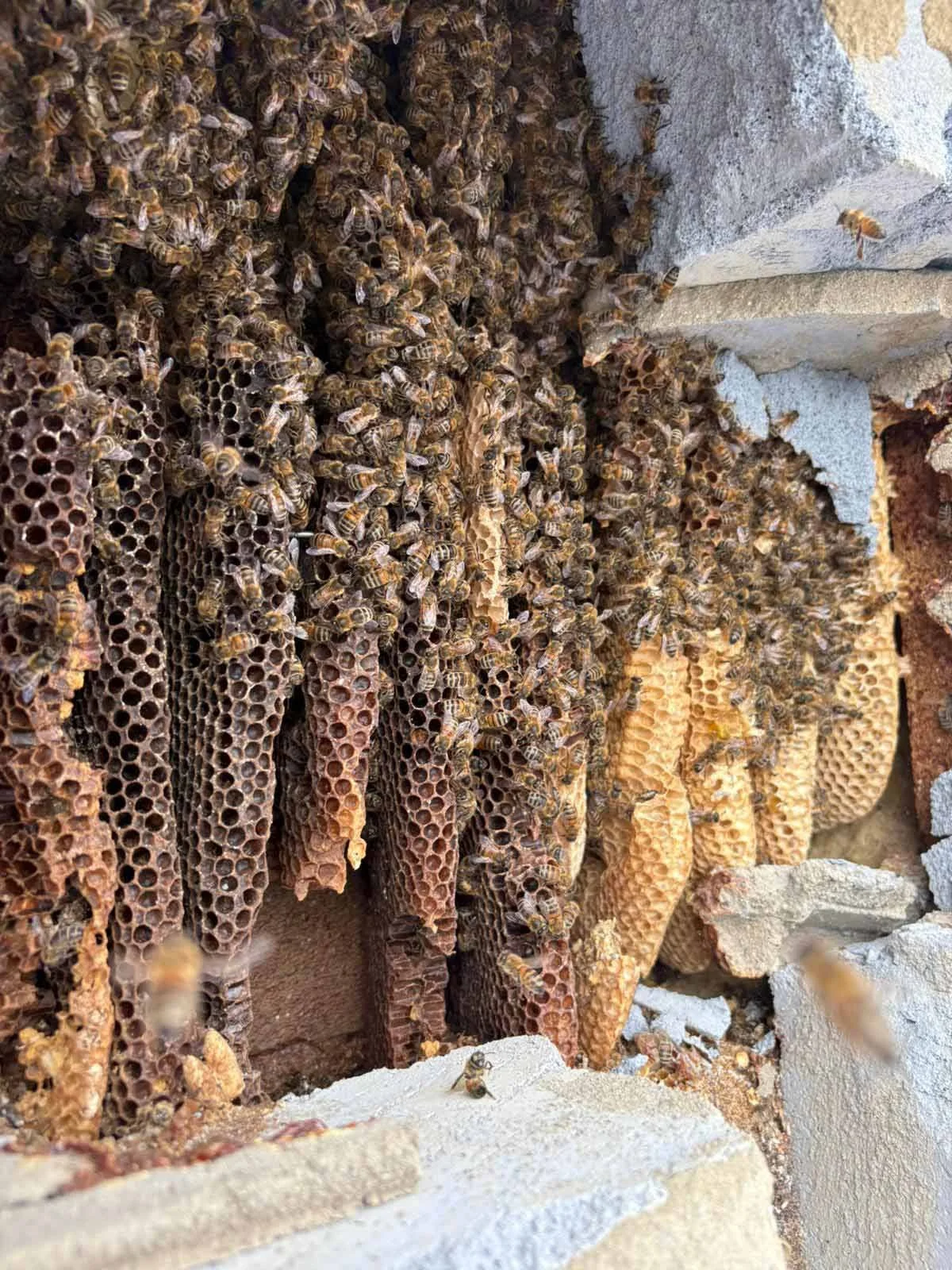
How our humane bee nest removal service works
-

Survey and identify the bees
First we visit your property and find exactly where the bees are nesting and how they are getting in. We identify whether they are honey bees, bumble bees or masonry bees, because each needs a slightly different approach. You will get a clear explanation of what is happening and whether full bee nest removal is needed.
-
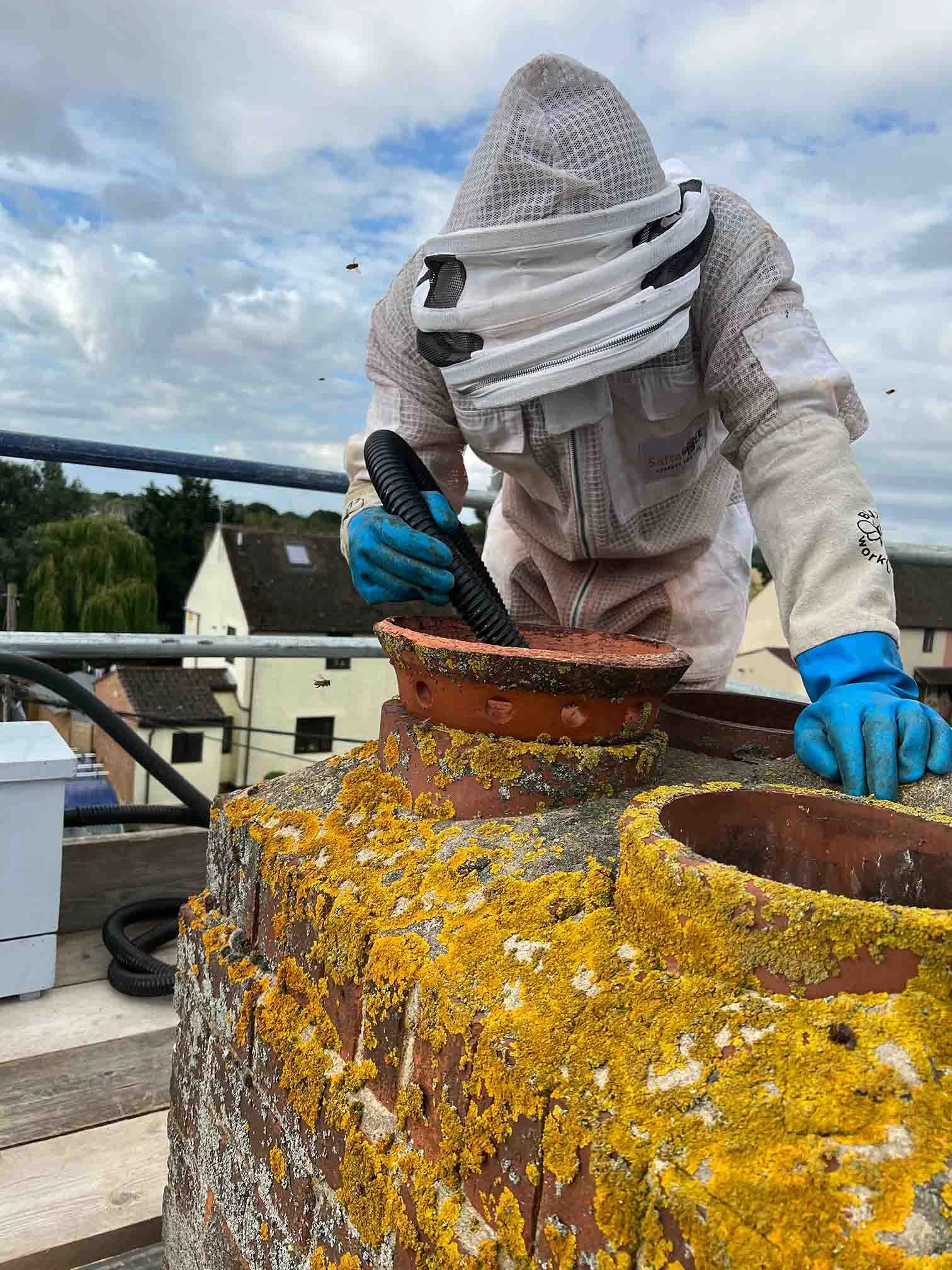
Live removal and relocation where possible
Where it is safe to do so, we carry out live bee nest removal and relocation. That might mean collecting a swarm into a hive box, moving a bumble bee nest to a quieter corner of the garden or carefully cutting honey comb out of a loft or chimney. Only when there is a real risk to people do we use professional bee control products, and this is always explained before we start.
-
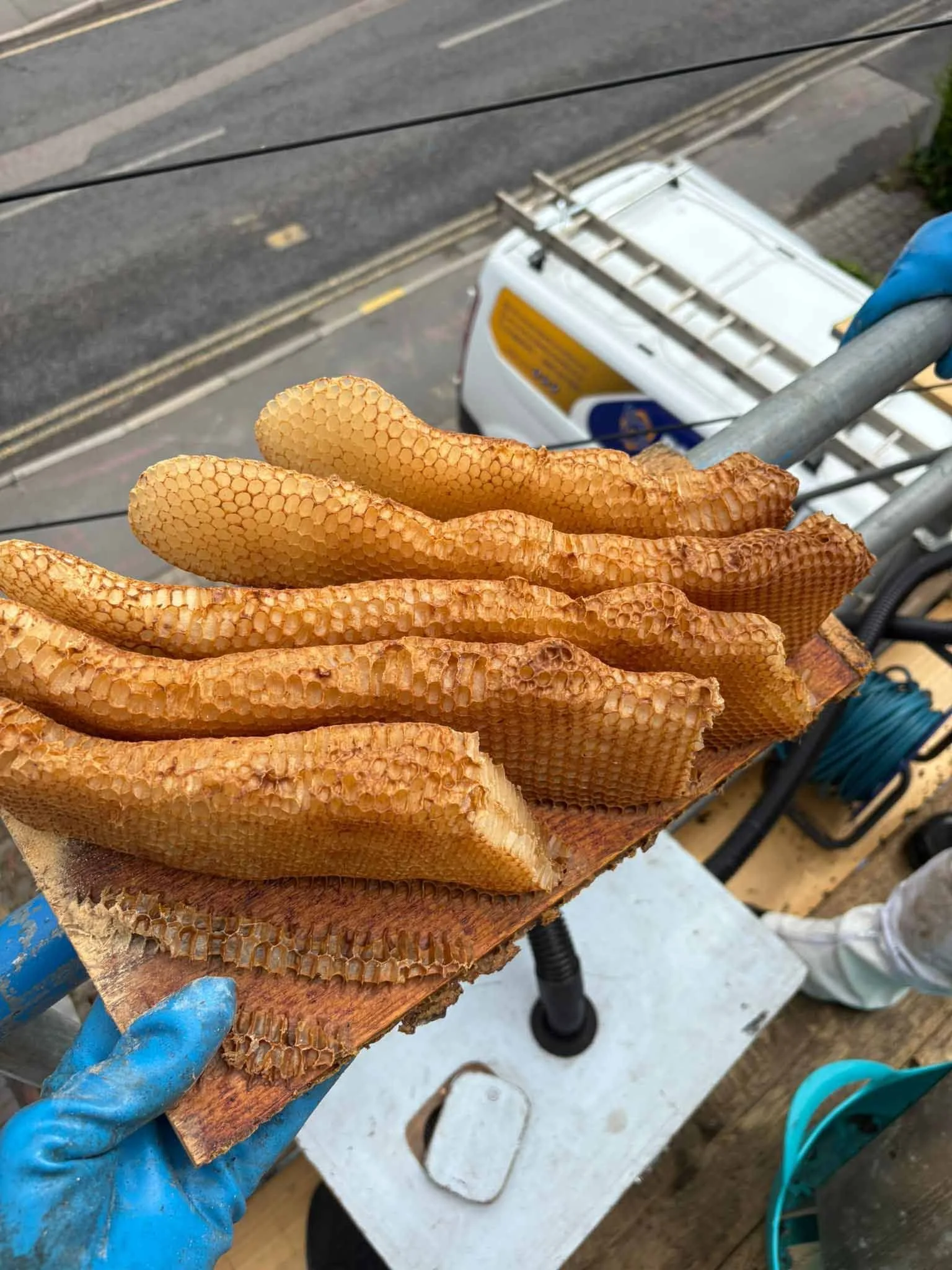
Proofing, clean up and aftercare
Once the bees are removed, we advise on sealing gaps, vents and cracks so new colonies are less likely to move in. For honey bee nests we can explain any clean up needed to deal with comb and honey. You leave with practical aftercare tips, so you know what normal bee activity looks like and when to call us again for bee nest removal.
Common bee nest locations in homes and gardens
Bees in lofts and attics - Bees using gaps in tiles, soffits or vents to reach insulation and rafters, often noticed when you hear buzzing above bedrooms.
Bee nests in chimneys - Honey bees or masonry bees in old flues and chimney pots. You may see bees around the top of the chimney or coming out near a fireplace.
Bee nests in wall cavities and eaves - Bees entering through cracks, air bricks or gaps around cables and pipes, then nesting out of sight in the cavity.
Bees in gardens and lawns - Mining or ground nesting bees using bare soil, old burrows, edges of patios, banks and compost heaps. These often look alarming but are sometimes best left in peace with some simple safety advice.
Bee nests in sheds, garages and roofs - Honey bees or bumble bees in quiet corners, where you may spot a steady line of bees coming and going.
We see a wide range of bee removal jobs across Essex.Whatever the location, our aim is safe bee nest removal and relocation wherever possible, with honest advice if leaving them undisturbed is actually the better option. Typical call outs include…
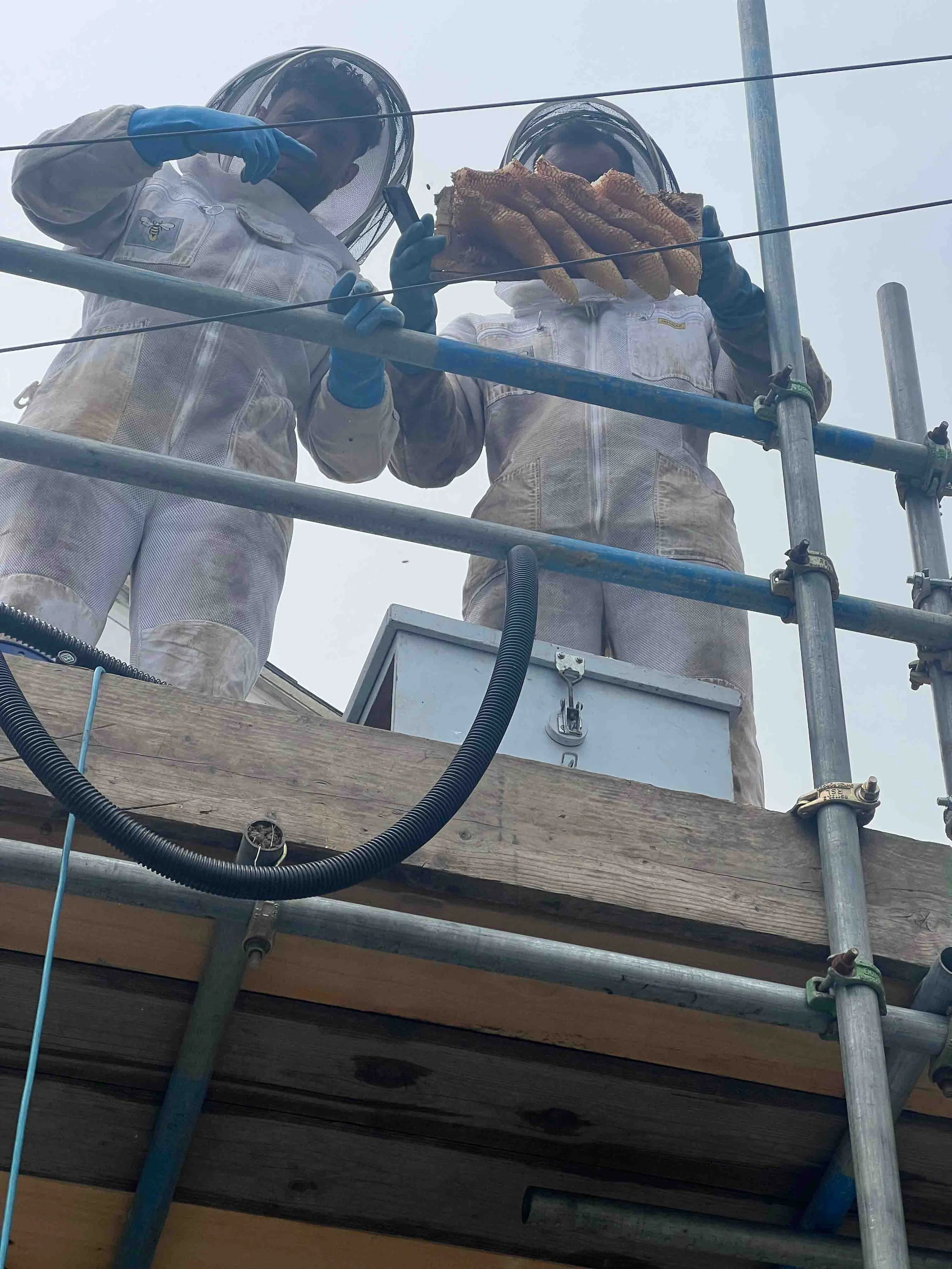
Bees we can help with
-

Honey bees
Honey bees are social insects that build wax comb and can create large colonies. Our first choice for honey bees is always live honey bee removal and relocation, using bee keeping methods to move them into hive boxes and take them to a managed apiary.
-

Bumble bees
Bumble bees are usually gentle and excellent pollinators. Where they are tucked away at the end of a garden and not bothering anyone, we may simply give you guidance and leave them to finish their short season. Where a bumble bee nest is right by a doorway, play area or path, we can move it or, if needed, provide bumble bee nest removal with minimal disturbance.
-
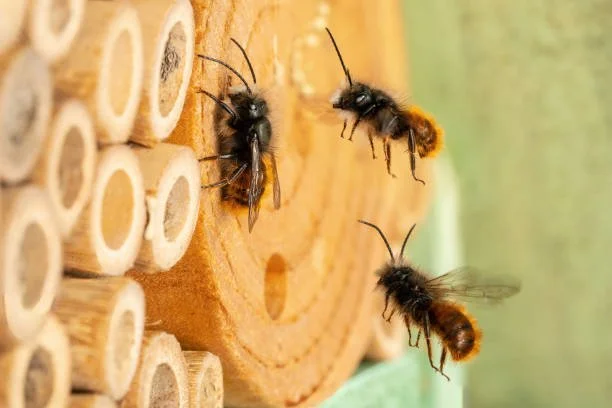
Masonry and mining bees
These solitary bees nest in small holes in mortar or soil. They rarely sting and are often best left alone, but we understand that bees nest removal may still be requested where there is heavy activity around children or pets. We will explain options, including gentle discouragement and proofing for future years.
Signs you may need bee nest removal
You might not see the nest itself at first. Look out for:
A steady stream of bees entering one spot on a wall, roof, air brick or chimney
Bees appearing in a room near a fireplace, loft hatch, light fitting or along a wall
Loud buzzing or rustling in the loft, especially on warm days
A cluster or swarm of bees hanging in a tree, hedge or on a fence post
Bees in the garden that are concentrated around one hole in the ground rather than spread across the flowers
If you notice any of these signs, it is safer to speak to a professional bee nest removal service rather than try to block holes or spray products from a ladder.
Bee nest removal FAQs:
-
DIY bee nest removal and home remedies to get rid of bees are not recommended. This is the same for wasps too.
Ladders, roof spaces and chimneys are already risky. Disturbed bees may defend the nest, and multiple stings can be serious, especially for children, pets or anyone with allergies. Professional pest control for bees manages that risk, uses the right protective clothing and handles bees in a calm, controlled way.
-
Bees are important pollinators and should be protected wherever possible. There is no general law that says bees can never be moved, but many councils and bee organisations strongly encourage humane bee nest removal and relocation rather than destruction. That is why our first option is always to rehome honey bees and bumble bees.
-
The cost of bee nest removal in Essex depends on:
The type of bee
Where the nest or swarm is
How easy it is to reach
Whether we are relocating bees or treating them in place
Simple jobs at ground level are quicker than nests in high chimneys or deep wall cavities. Once we know the details, we give a clear price before any work starts.
-
Yes, in many cases. Bee removal from chimneys and wall cavities may involve access equipment, cut out work or specialised tools. We will explain what is involved and whether full removal is possible or if a different approach is safer.
-
Once a nest has been properly dealt with and the main bees removed, that colony will not return to the same nest. However, bees may be attracted to gaps, voids and scents in future years. As part of our bee nest removal visit we advise on proofing and small changes that make your home or business less attractive for new nests.
-
Our bee removal services cover much of Essex, including Colchester, Southend, Chelmsford, Braintree, Maldon, Sudbury, Halstead and surrounding areas. For larger swarms, nests, or infestations, we will travel further. If you are unsure whether we can attend, call us with your postcode and we will either confirm coverage or suggest the best next step.
Call 0800 246 5224 or fill in the contact form to arrange bee nest removal and pest control today.
-
We work with bees all year round and understand the difference between pests that should be eliminated and pollinators that should be protected. As a father and son bee keeper and pest control team, you get a personal service from local technicians who care about your safety and the welfare of the bees.
Plus, we love bees! We always use a humane approach, and our focus is live bee removal and relocation wherever practical, with treatment only as a last resort where there is a clear risk.
You will be told what your bee nest removal will cost before we start. If we think you are safe to leave the bees alone, we will say so. Clear prices, honest advice, and fast call outs.