How to choose a pest control company in Essex
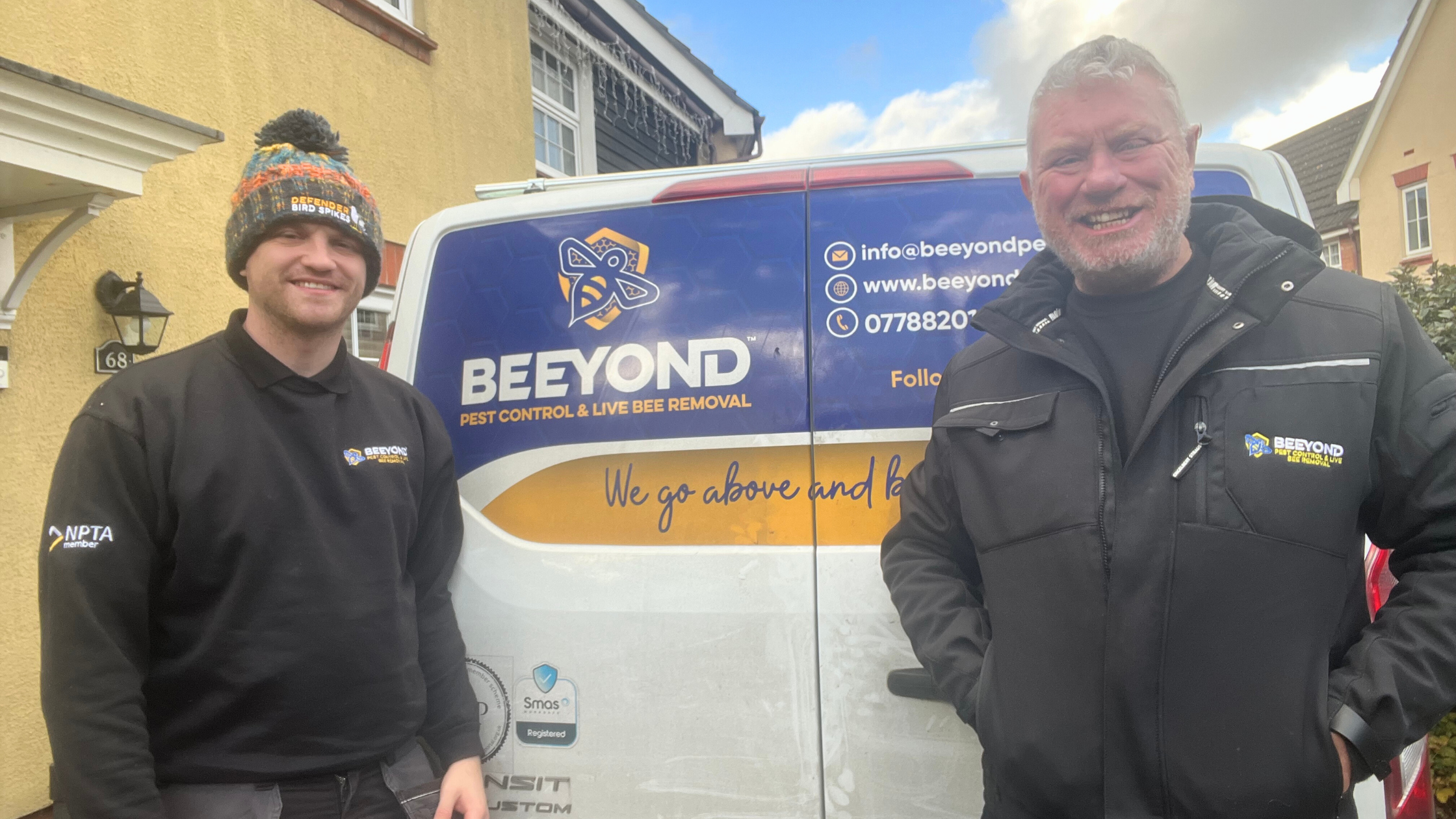
When pests show up, you want them gone fast. But you also want the job done properly, without stress, guesswork, or surprise costs.
This guide explains what to look for in a pest control company in Essex, so you can compare your options and book with confidence.
Start with a simple rule
Good pest control is not just “spray and go”.
It starts with identifying the pest, finding the cause, and choosing the right treatment. Then it finishes with prevention, so you are less likely to deal with the same issue again.
A reliable pest control company in Essex will ask questions and take time to inspect. If someone quotes you instantly without understanding the problem, be cautious.
1) Check training and experience
You do not need to be an expert. You just need to ask the right questions. A trained pest technician should be able to:
Identify pests accurately
Understand how they enter and where they nest
Treat safely and effectively
Explain what they are doing and why
Ask:
What training do your technicians have?
How often do they do refresher training?
Have you dealt with this pest in properties like mine?
You are listening for practical, specific answers. For example, we can say we have the necessary qualifications for safe use of rodenticides, pesticides, and pest treatments. We are also:
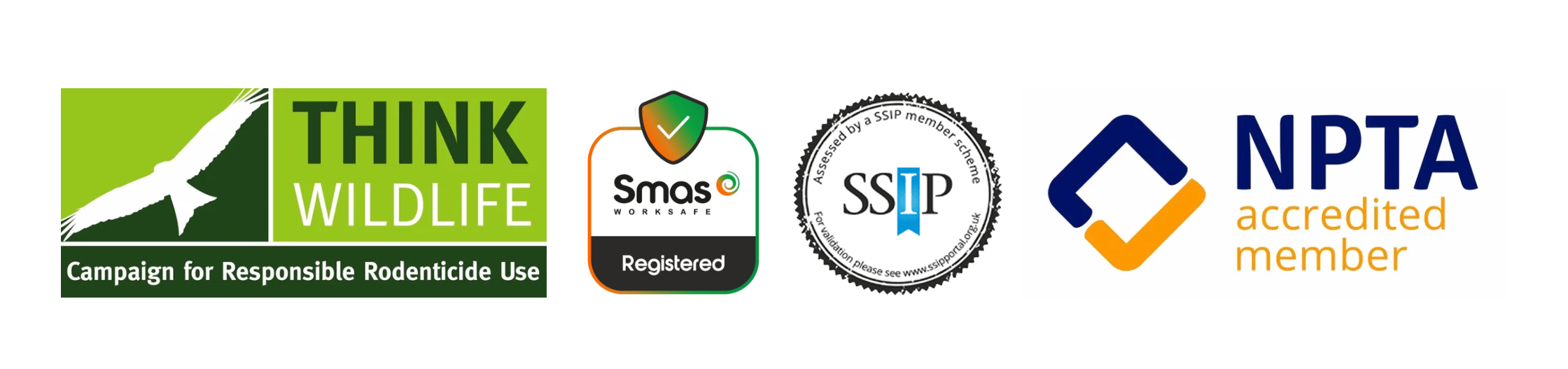
NPTA accredited Members which shows we are part of a recognised trade body and committed to professional training and best practice.
SSIP Assessed and SMAS Worksafe registered which shows our health and safety processes have been assessed.
Think Wildlife supported which shows we follow responsible rodenticide use guidance, with a focus on doing the job safely and protecting non target wildlife.
2) Make sure they are insured
If a company is professional, they will not hesitate to answer the following questions.
Ask:
Are you fully insured for pest control work?
What does that cover?
If they dodge it, move on.
3) Expect a proper inspection
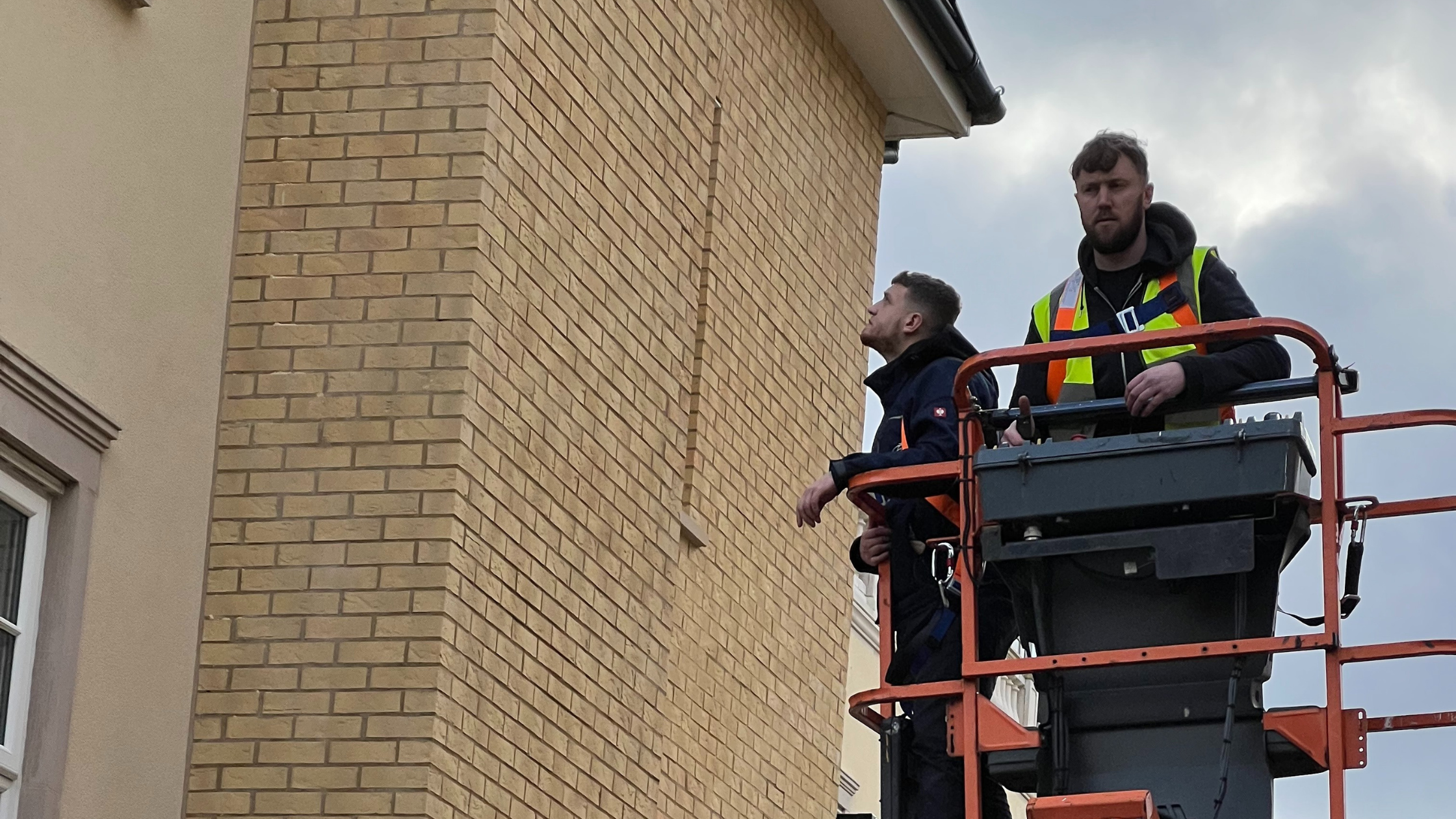
Many pest problems look simple on the surface, but the cause is often hidden. You might see one mouse, one wasp, or a few bites. But, the source could be an entry point you have not noticed, a nest in a hidden void, or conditions that keep inviting pests back.
That is why a proper inspection matters. Depending on the pest, a good inspection might include:
Entry points around pipes, vents, air bricks, and doors
Loft spaces, garages, and outbuildings for rodents
Skirting gaps, soft furnishings, and sleeping areas for insects
Signs like droppings, smear marks, nesting, or cast skins
A trustworthy company will talk you through what they have found and what it means. They will show you the signs if they can, explain the likely cause, and set out the next steps. It should feel like a diagnosis, not a sales pitch.
4) Ask for a clear plan in writing
You should never feel confused after the first visit or call. A good pest control plan should be written down and easy to follow. It should cover:
What pest it is and how active it seems
What treatment will be used and where it will be applied
How many visits may be needed, and why
What you need to do before and after
What prevention steps are recommended
If you cannot picture the process from start to finish, ask for the plan in writing before you book. It protects you as well as the company. It also makes it easier to compare providers properly, because you are comparing like for like, not vague promises.
5) Look for transparent pricing
Price matters, but the cheapest option is not always the best value. A reputable company will be clear about:
Whether the price is fixed or an estimate
What is included in the price
Whether follow up visits are included
Whether proofing work is included or separate
Ask:
Is this a one off treatment or part of a visit plan?
What would make the price change?
What are the most common add ons, if any?
You should not feel pressured into agreeing on the spot.
What kind of pest control is cheapest?
The cheapest option is usually the one that needs the fewest visits and the least follow up work. That depends on the pest, the size of the problem, and how quickly it was caught.
In general:
Early action is cheaper than waiting. A small issue is simpler to treat than an established infestation.
A proper inspection can save money. It reduces the risk of treating the wrong thing or missing the cause.
One visit can be cheaper short term, but not always better value. Some pests need follow up visits to break the cycle, and skipping that can mean paying twice.
DIY can look cheapest, but it can backfire if the pest is misidentified or the cause is not fixed. You can end up spending more on products, repairs, and repeat treatments.
If you are comparing quotes, ask what you are actually buying. A low price that does not include follow up or prevention is often not the bargain it looks like.
6) Read reviews properly
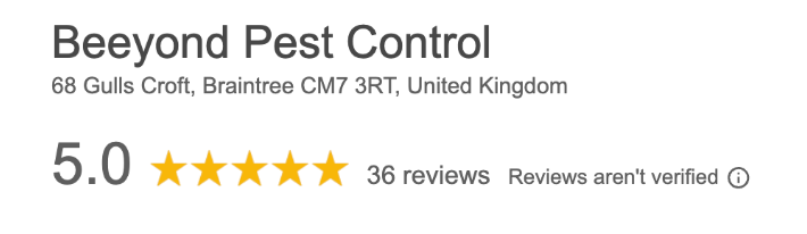
Star ratings are a useful starting point, but they do not tell you much on their own. What you really want is evidence of how the company works, especially when something is stressful or time sensitive.
When you read reviews, look for comments that mention:
The pest problem and the outcome
Punctuality and communication
Clear explanations
Respect for the home or workplace
Follow up and aftercare
Also pay attention to how reviews are written. A string of vague “great service” comments is less useful than a few detailed reviews that describe what happened and how it was resolved.
One poor review is not always the full story. Every business gets an off day. What matters is the overall pattern, and how the company responds if something does not go perfectly.
7) Safety around children and pets
You have every right to ask about safety. A professional technician should explain:
Any precautions you need to take
How long to keep people and pets away from treated areas
What to do with food items, bedding, pet bowls, or toys
If they are vague, that is a concern.
8) Prevention should be part of the conversation
A treatment can deal with the pests you are seeing right now. Prevention is what stops the same problem coming back in a few weeks or a few months.
This is where good pest control feels different. It is not just about removing pests, it is about reducing the reasons they are there in the first place. Prevention might include:
Sealing gaps and entry points
Improving waste storage and food hygiene
Reducing nesting spots in lofts, garages, and gardens
Adding monitoring points where needed
A strong pest control company in Essex will bring this up early, because it is part of solving the problem properly. If prevention is never mentioned, it often means you are only paying for a short term fix.
How do I permanently get rid of pests?
Most people mean one thing here: “How do I stop them coming back?”
The honest answer is that no company can control the outside world. Pests exist in the environment. What you can do is remove the current problem and reduce the chances of a repeat as close to zero as possible.
That usually takes a three step approach:
Treat what is there now using the right method for the pest
Fix the reason it happened such as entry points, nesting sites, food sources, moisture, or clutter
Prevent and monitor so you spot early signs before it becomes a bigger issue
9) Local knowledge helps
Essex has a mix of older homes, new builds, rural edges, and busy towns. Pest patterns can vary by season and property type.
A local team often spots common entry routes and risk factors faster, which can save time and reduce repeat call outs.
Red flags to watch for
A quote with no inspection or meaningful questions
No written plan or unclear next steps
Pressure tactics or scare stories
Vague answers about safety or insurance
Hidden costs that only appear later
No mention of prevention at all
If it feels rushed now, it will not improve later.
Quick checklist: questions to ask before you book
What do you think it is, and what do you need to confirm?
Will you inspect, and what will you check?
What is the plan, and how many visits might it take?
What is included in the price?
What training do your technicians have?
Are you insured?
What do I need to do before and after treatment?
What prevention or proofing do you recommend?
How Beeyond Pest Control approach it
At Beeyond Pest Control, we keep things simple: clear advice, proper inspections, and a plan you understand. You get everything explained in person, plus a full written report with pictures.
If you need a pest control company in Essex and want to talk through what you are seeing, get in touch. Tell us what you have noticed, where it is happening, and when it started. We will recommend the right next step and explain what to expect, with no pressure.
Ready to get it sorted? Contact Beeyond Pest Control today and we will help you take the next step with confidence.